I begged my partner to take Shared Parental Leave. Then the FOMO hit.
Only an estimated 2% of eligible fathers take Shared Parental Leave. Sarah's partner was one of them, and returning to work brought a set of feelings she hadn't seen coming.
Sarah is a Chief People Officer. She had her first baby in 2025 and reflects on her journey back to work. After taking seven months’ maternity leave, her partner then took shared parental leave, something only an estimated 2% of eligible fathers take. She joined our Return Cohort in Autumn 2025, and here she reflects on what surprised her most about returning to work: the unexpected FOMO, the evolution of her values system, and the slow, non-linear journey back to feeling like herself again.
I returned to work four days a week when our son was seven months old, after two major surgeries (me) and a 10-day NICU stay (him). My partner took up the baton of shared parental leave (SPL) for the remaining five months, which subsequently turned into nine! I recall begging my partner to let me return to work and him to take SPL sooner around eight weeks postpartum, which I now realise was a combination of hormones, the reality of no longer feeling like I was doing enough (despite literally keeping a tiny human alive 24/7) and being a later-millennial who’d learnt to attach my self-worth to my output.
I was really looking forward to returning to work and genuinely believed it was going to be the answer to helping me feel myself again, but shortly after returning, I realised I was experiencing a whole new feeling I hadn’t anticipated: FOMO! I was jealous of my partner for experiencing the firsts I was missing out on and found myself yearning to be at home with them both.
In some ways, I was fortunate not to be navigating the nursery illnesses and logistical challenges that most parents face when returning to work. In other ways, I was unfortunate: there was no one in my circle who understood how I was feeling, with estimates as low as 2% of eligible fathers having taken up SPL.
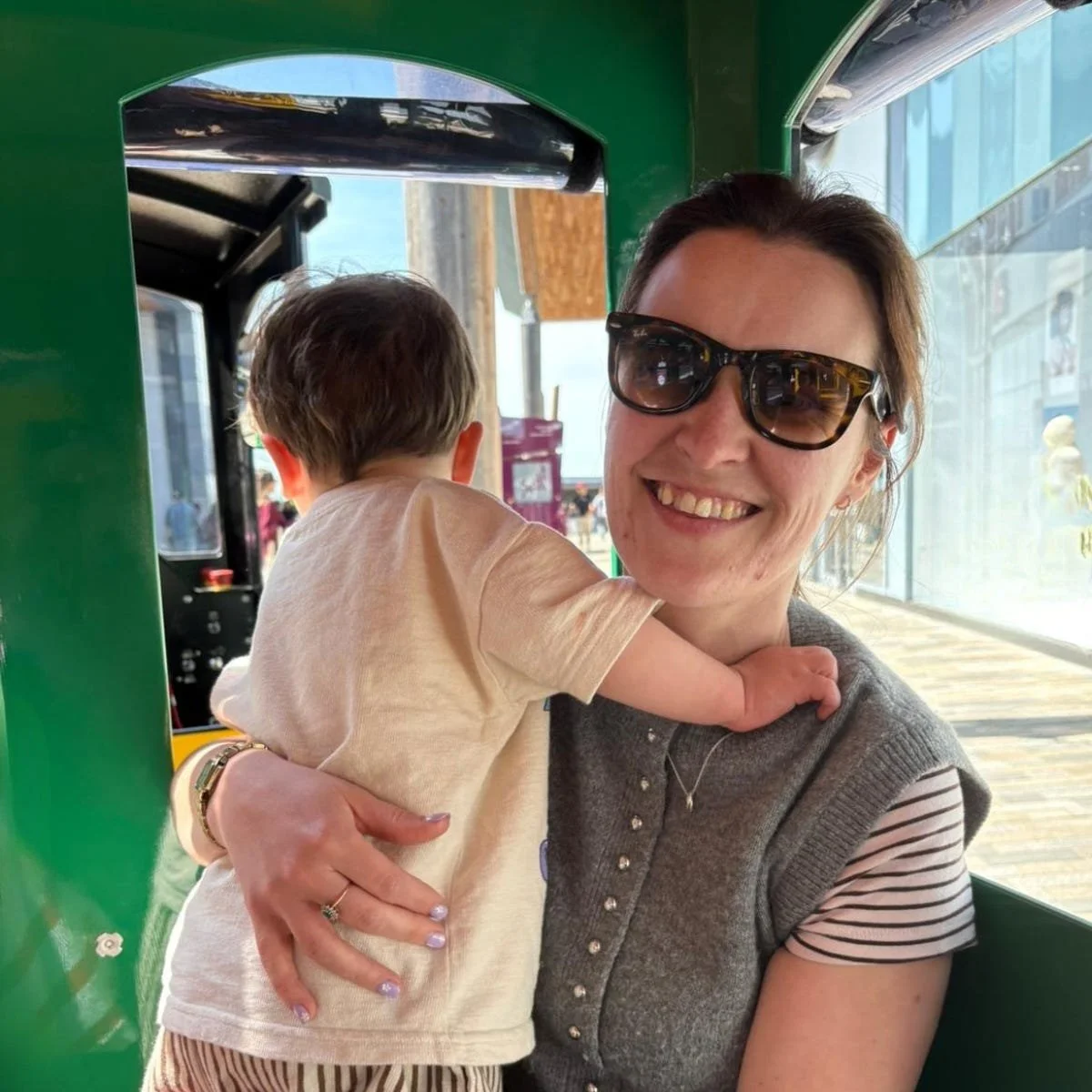
Sarah, a Chief People Officer, had her first baby in 2025
In addition to this FOMO at home, I was struggling at work as the first female exec to have taken maternity leave. What surprised me the most was how tasks I’d previously cared about and taken pride in now left me questioning “what’s the point of this?” and adopting a zero-tolerance approach to what I considered a waste of my time. I often found myself thinking, “I could be at [insert generic baby activity]”. I do sometimes wonder if this was unique to me because my partner was on SPL or if it’s something most mothers experience when returning to work, even if their child is in full-time childcare?
What I realise now is that my values system had fundamentally changed. Where previously I valued financial recognition, progression and travel opportunities, I now valued the flexibility to remain present for our son’s early years; earning enough to afford the lifestyle we choose to lead, while remaining under the dreaded childcare tax trap; and feeling like I was contributing towards meaningful work.
For me, the support that made the most difference came from outside my organisation. As there was no one I could turn to internally, I looked to external sources, which is where I found Harriet and ultimately, Branch. I was also doing a financial education workshop on investing at the time, and there were two other women in the cohort who were navigating maternity leave. Finding a group of professional women at a similar life stage to me was like an awakening. For the first time, I realised I wasn’t alone in how I was feeling and that I could help others to feel less alone by sharing my story.
I certainly don’t have all the answers, however, what I have come to learn in over a year back at work is to continue to be kind to yourself, you’re doing way more than you realise, and it’s okay not to always be in a growth season at work. And trust me, as someone who spent her 20s climbing the corporate career ladder to get to where I am, that’s easier said than done.